
What Does the Term \"Physical Health\" Mean?
What Does the Term "Physical Health" Mean?
The total state of the body's processes and structures is referred to as physical health. It includes a number of characteristics like power, stamina, flexibility, and the absence of illness or physical limitations. To lead a happy and successful life, it is imperative to achieve and maintain good physical health. This article will examine the definition, importance, dimensions, influences, maintenance advice, and relationship between physical and mental health.
Introduction
A key component of our wellbeing is our physical health, which has an impact on our capacity to carry out everyday tasks, achieve our objectives, and fully appreciate life. It includes a complete condition of good physical well-being rather than just the absence of illness or disease. Let's examine what physical health comprises in more detail and why it is so important to our overall quality of life.
Why Physical Health Matters
The proper operation of our body's systems, organs, and structures is a component of physical health. It serves as the cornerstone around which we construct our lives, allowing us to carry out necessary responsibilities, take part in leisure pursuits, and follow our passions. When our bodies are in good shape, we have the vigor, stamina, and strength to meet the demands of every day life.
Characteristics of Physical Health
Our entire well-being is influenced by a number of factors related to our physical health. These measurements consist of:
Cardiovascular Health: The condition of our heart and blood vessels, which is essential for the body's effective blood flow and oxygen supply.
Muscular Strength and Endurance: Our muscles' capacity to generate force and withstand repeated physical exercise.
Flexibility: The range of motion our joints are capable of, which enables us to move easily and lowers the chance of injury.
Body composition is the ratio of our body's fat, muscle, and other tissues; it affects how we look overall and how susceptible we are to certain illnesses.
The significance of physical health
Numerous advantages of maintaining good physical health have a favorable impact on our lives. Some major benefits include:
The quality of life is improved as a result of improved physical health, which also raises energy levels, moods, and self-confidence.
Reduced Risk of Chronic Diseases: A healthy diet and regular exercise can help avoid chronic diseases like diabetes, heart disease, and some types of cancer.
Enhanced Cognitive Function: Exercise helps us think more clearly and concentrate better, which enhances our cognitive ability.
Immune system strength: Having a strong immune system makes us more resistant to illnesses and infections.
Things That Affect Physical Health
Our physical health can be impacted by a variety of things. These consist of:
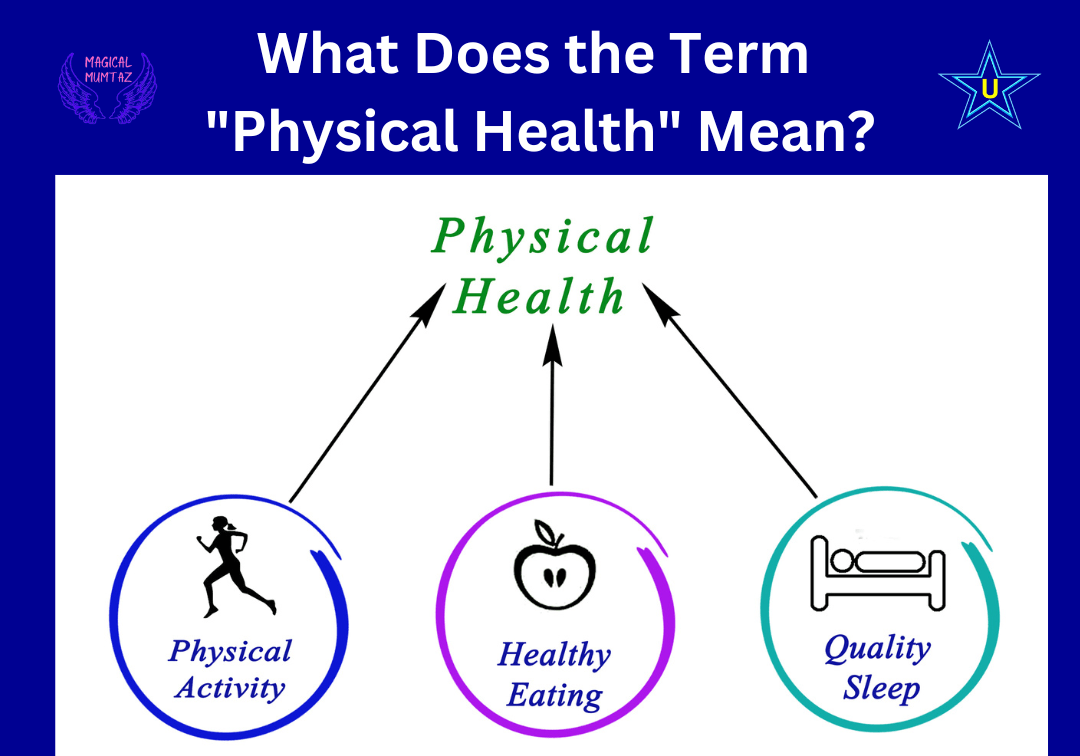
Physical Activity Levels: Maintaining physical fitness and good health requires regular exercise and an active lifestyle.
Nutrition: A well-balanced diet full of vital nutrients is crucial for supporting our bodies' natural processes and fostering the best possible state of physical health.
Sleep: For the repair and renewal of our body systems, we must get enough good sleep.
Management of Stress: Chronic stress has a detrimental effect on physical health, emphasizing the significance of stress reduction measures.
Guidelines for Preserving Physical Health
Here are some helpful pointers to help you maintain and improve your physical health:
Regular Exercise: Aim for at least 75 minutes of intense exercise per week, or 150 minutes of moderate exercise each week.
Adopt a balanced diet by including a range of fresh produce in each of your daily meals, such as fruits, vegetables, whole grains, lean proteins, and healthy fats.
Make sleep a priority. Your body needs 7-9 hours of good sleep each night to heal and replenish.
Manage Stress: Engage in things you enjoy and practice stress-reduction techniques like mindfulness and meditation.
Fitness and Physical Well-being
Maintaining physical health depends heavily on regular physical activity. It develops muscular strength and endurance, flexibility, and cardiovascular fitness, as well as helping to regulate body weight. Exercise also results in the release of endorphins, which improve mood and lower stress. In order to benefit from exercise, find things you enjoy and include them into your schedule.
Food and Physical Well-being
For the support of physical health, proper nutrition is essential. An optimum diet contains the nutrients needed for bodily growth, repair, and function. Your body will acquire the vital vitamins, minerals, and antioxidants it requires to thrive if you eat a range of nutrient-dense foods, such as fruits, vegetables, whole grains, lean proteins, and healthy fats.
Physical Health and Sleep
Not only is sleep necessary for physical health, but also for mental wellbeing. Our body creates hormones, improves the immune system, and regenerates and heals tissues when we sleep. With enough sleep, we can wake up feeling rejuvenated and energized, prepared to face the day.
Mental and physical well-being
Mental and physical health are strongly related to one another. Regular physical activity can enhance mental health by lowering stress, anxiety, and depression symptoms. On the other hand, poor mental health can have a detrimental effect on physical health, including problems with immunity, disrupting sleep, and raising the chance of developing chronic diseases. Prioritizing both physical and mental wellness is essential for overall health and happiness.
Prevention Techniques
Taking precautions can make a big difference in helping to keep your body healthy. Some crucial techniques include:
Regular Health Screenings: Arrange routine checkups and screenings to spot and proactively address any potential health issues.
Vaccinations: To protect yourself from infectious diseases, keep up with the prescribed immunization schedule.
Adopt safe behaviors in all facets of your life, such as using sunscreen, wearing seat belts, and having safe sex.
Avoiding Harmful Substances: Because they can have a negative impact on physical health, use of tobacco, excessive alcohol, and illegal narcotics should be minimized or avoided.
Regular check-ups and health screenings
Physical health maintenance is greatly aided by routine checkups and screenings. They aid in the early detection of potential health problems, enabling prompt action and treatment. For pro-active healthcare management, routine screenings are crucial, such as blood pressure checks, cholesterol checks, and cancer screenings.
Keeping one's physical and mental health in check
The key to total health is striking a balance between one's physical and mental well-being. Prioritizing mental health is just as crucial as putting physical health first. Maintaining this balance requires engaging in stress-relieving activities, asking for help when necessary, and practicing self-care.
Conclusion
Our physical health includes the condition of our bodies, which enhances our general quality of life. We can reap a variety of advantages by prioritizing physical health through regular exercise, a balanced diet, enough sleep, and stress management, including increased energy levels, lowered risk of chronic diseases, and improved cognitive function. To live a happy and healthy life, keep in mind the importance of striking a balance between your physical and mental health.
1. How can I get in better physical shape?
Exercise frequently, eat a balanced diet, get adequate sleep, handle stress, and stay away from hazardous substances to improve your physical health.
2. Is fitness the only factor in physical health?
Numerous aspects of physical well-being are covered, such as cardiovascular function, muscular power, flexibility, and body composition. Physical health includes fitness, but it is not the only consideration.
3. Is there a link between mental and physical health?
Yes, there is a link between mental and physical health. Both physical and mental health can suffer from poor mental health.
4. How frequently should I get my health checked?
Depending on your age, gender, and risk factors, the frequency of your health checks may change. To decide the right screening schedule for you, speak with your healthcare practitioner.
5. What are some precautions to keep your physical health?
Regular health checks, vaccines, adopting safe behaviors, and avoiding dangerous substances are a few preventive methods.
Thank you and be blessed always with lots of love and light from the higher dimensions🙏🏻😇🙏🏻
===============================================
Author:
Mumtaz TheServingSoul
God-gifted Healer and Medium
Founder of Healing Heaven Global a Platform for Powerful Advanced Intensive Spiritual Soul & Karmic Healing for 20 years. Here is the *END* of Search for Spirituality.
💎No.1 Spiritual Soul & Karmic Healing Center in the World – Spirituality Simplified💎
For more on how to cure physical health: https://rb.gy/fk3w0

SHARE


Subscribe now.
Sign up for our newsletter to get the most interesting stories of the day straight to your inbox before everyone else
systeme.io
ABOUT
Mumtaz TheServingSoul
God-gifted Healer and Medium
Founder of Healing Heaven Global a Platform for Powerful Advanced Intensive Spiritual Soul & Karmic Healing for 20 years. Here is the *END* of Search for Spirituality.
💎No.1 Spiritual Soul & Karmic Healing Center in the World – Spirituality Simplified💎
systeme.io
Created with © systeme.io • Privacy policy • Terms of service