
What is human emotional pain?
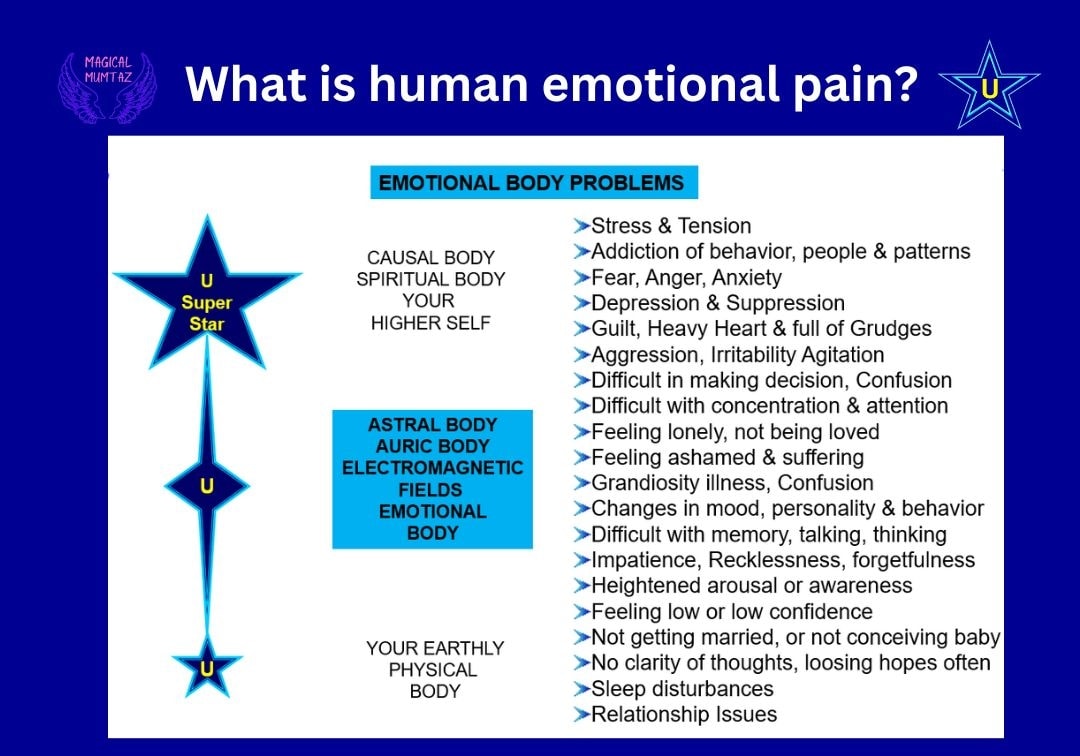
What is Human Emotional Pain?
Investigating the Dimensions of Human Pain
Introduction
The experience of emotional pain is a natural component of being human. It penetrates the depths of our emotions and transcends mere bodily agony. Emotional pain is a difficult and nuanced phenomenon because, unlike physical pain, which is palpable and obvious, it originates in our brains and hearts. In this article, we explore the definition, origins, effects, and potential coping mechanisms of the complex world of human emotional suffering. Prepare for a voyage that will make you think deeply about our shared human experience.
What is Pain Emotional in Humans?
Human emotional pain primarily refers to the upsetting emotions and suffering we experience as a result of psychological or emotional experiences. It involves strong negative feelings like sadness, grief, anger, fear, shame, and guilt that can be brought on by a number of things like rejection, loss, trauma, and unmet desires. Human emotional pain is intensely subjective and individualized, differing from person to person in both intensity and duration. Our mental and physical health can be significantly impacted by a rich tapestry of thoughts, emotions, and bodily reactions.
Human Emotional Pain's Nature
An Experience in Multiple Dimensions Human emotional suffering goes beyond simple grief or distress. It comprises a wide range of feelings, ideas, and bodily experiences that when combined create a rich tapestry of misery. Emotional pain presents itself in a variety of ways that are frequently connected, from the weight in our chests to the agony in our hearts.
Subjectivity and Individuality: Each person's subjective and individual experience of emotional pain is influenced by their character, upbringing, and experiences in life. What could cause severe emotional suffering for one person may have a minimal impact on another. Due to this subjectivity, it is essential to treat emotional distress with empathy and understanding, keeping in mind that everyone's experience is unique.
Physical vs. emotional pain: Although emotional pain may not have obvious physical signs, it can nonetheless have significant physiological implications. Studies have demonstrated that emotional pain activates brain areas linked to physical pain, highlighting the connection between the mind and body. Therefore, emotional suffering is a real experience that has an impact on every aspect of who we are rather than just a fiction of our mind. Contrary to popular belief, emotional suffering can actually act as a stimulus for development and change. Adversity provides us with the chance to build resilience, create coping strategies, and discover more about ourselves. We can begin on a path of self-discovery and grow stronger, wiser, and more compassionate people by accepting our emotional anguish.
Human Emotional Pain's Root Causes
Grief and Loss: Deep emotional sorrow can be brought on by the loss of a loved one, a cherished connection, or an important life event. A normal reaction to loss, grief includes a variety of feelings like sadness, desire, and emptiness. Each person deals with loss in their own way and at their own pace, thus the process of recovering from sorrow is highly idiosyncratic.
Rejection and Abandonment: Rejection and abandonment experiences can cause severe emotional trauma. These experiences, whether it be social exclusion, romantic rejection, or the sense of being hated, can have long-lasting effects on our emotional health. Self-compassion, reflection, and the development of healthy connections are frequently necessary for overcoming the agony of rejection.
Abuse and Trauma: People who experience traumatizing experiences, such as physical or emotional abuse, accidents, or natural catastrophes, may experience excruciating emotional agony. The aftereffects of trauma can be extensive, resulting in emotional scarring that lasts a lifetime and disorders like post-traumatic stress disorder (PTSD). The first stages toward recovering are enlisting support networks and expert assistance.
Unmet Aspirations and Expectations: When our hopes and expectations are not met, we may feel let down, frustrated, or inadequate. Emotional distress can be caused by this contrast between reality and our desires. This kind of suffering can be lessened by developing self-acceptance, setting reasonable goals, and managing expectations.
Betrayal and deception: Betrayal, whether committed by a close friend, a romantic partner, or a work colleague, can cause intense emotional suffering. Feelings of rage, hurt, and betrayal can result from the violation of our trust and the discovery that someone we held dear has lied to us. It frequently takes forgiveness, trust restoration, and the creation of healthy boundaries to heal from such wounds.
Existential Anxiety and Meaninglessness: Human emotional suffering may also be caused by existential anxiety and a lack of a meaningful or fulfilling life. Feelings of emptiness, anxiety, and despair can be brought on by the pursuit of meaning and the discussion of challenging philosophical issues. Examining existential ideas, reflecting on one's own actions, and getting assistance from others can all be helpful in navigating this kind of pain.
Human Emotional Pain's Effects
Emotional anguish can have substantial psychological repercussions that negatively impact our general mental health. Long-term emotional suffering can result in diseases like depression, anxiety disorders, substance abuse, or self-destructive actions. Additionally, it may hinder our capacity for decision-making, focus, and satisfying interpersonal interactions.
Physical Symptoms: Although emotional pain is largely psychological in nature, it can sometimes take the form of physical symptoms. Headaches, muscle tension, exhaustion, sleep difficulties, hunger changes, and weakened immune system are typical physical signs of emotional suffering. These bodily signs serve as a constant reminder of the complex mind-body relationship.
Relationship Impact: Relationship stress can make it difficult for us to connect with and communicate with others. It might result in conflict, social disengagement, and a decreased capacity for empathy. Emotional pain can have a negative effect on our interactions with others, but it can be lessened by cultivating good relationships, going to treatment, and using effective communication techniques.
Self-Identity and Self-Esteem: Our sense of self and self-esteem may diminish when we are going through emotional hardship. We can doubt our value, our aptitude, or be overtaken by unfavorable self-perceptions. Rebuilding a positive sense of self can be facilitated by cultivating self-compassion, engaging in self-care, and partaking in activities that advance personal growth.
Interference with Daily Life: Emotional distress can interfere with a number of facets of our daily routines, making it difficult to carry out obligations, achieve goals, and take part in enjoyable activities. Consequences include trouble concentrating, a drop in productivity, and a lack of motivation. These difficulties can be overcome by putting self-care practices into practice, getting expert assistance, and establishing a support system.
Emotional suffering Perpetuation: If untreated, unresolved emotional suffering has the capacity to continue. It can start a vicious cycle where the suffering reinforces negative self-talk and self-destructive actions, further escalating the emotional scars. It is frequently necessary to make a commitment to self-reflection, look for therapeutic therapies, and put healthy coping skills into place in order to break free from this cycle.
Human Emotional Pain Management
Getting Support: Asking for support from dependable people is one of the best methods to manage emotional suffering. Sharing our suffering and asking for help, whether from friends, family, or mental health experts, can offer validation, perspective, and useful coping mechanisms.
Self-Reflection and Mindfulness: By practicing self-reflection and mindfulness, we can examine our feelings and thoughts without passing judgment. We can better comprehend the causes of our emotional discomfort and create healthier coping methods by growing self-awareness. Journaling, mindfulness meditation, and self-care practices can all help with this introspective process.
Professional Assistance: It's critical to seek professional assistance when emotional discomfort escalates or lasts for an extended period of time. The skill to help people through their emotional issues is possessed by mental health experts like therapists or counselors. They can offer specialized interventions, research-based treatments, and a therapeutic environment.
Building Resilience: A crucial component of dealing with emotional suffering is learning to be resilient. People that are resilient can overcome hardship, overcome obstacles, and become stronger. Developing coping mechanisms that work for you, taking care of yourself, forming supportive connections, and creating a growth mindset are all part of building resilience.
Embracing Self-Compassion: Self-compassion is the act of being compassionate, perceptive, and accepting of oneself. It means accepting our flaws, acknowledging our pain without passing judgment, and treating ourselves with the same respect as a close friend. Self-compassion is an effective strategy for promoting emotional health and healing emotional traumas.
Taking Part in Meaningful Activities: Taking part in enjoyable, fulfilling activities might help ease emotional suffering. Hobbies, creative pursuits, volunteering, and time spent in nature can all offer comfort and a feeling of purpose. Meaningful pursuits serve as a reminder that there is still beauty and meaning in life despite our suffering.
Answers to Frequently Asked Questions
1. Are mental illness and emotional anguish the same thing?
No, experiencing emotional anguish equates to having a mental disease. While mental illness includes any disorders that can be diagnosed and have a major impact on a person's thoughts, emotions, and behavior, emotional distress is a universal human experience that can be brought on by a variety of life events. Though they may be related, emotional suffering and mental health issues are two separate things.
2. How much time does emotional suffering last?
Depending on the source of the pain, the person's resilience, and the presence of helpful coping methods, the length of emotional suffering differs from person to person. The duration of emotional suffering might range from a few days to many years. The healing process can be aided by getting professional assistance and using constructive coping mechanisms.
3. Can physical symptoms of emotional anguish occur?
Yes, physical symptoms can arise from emotional suffering. Because the mind and body are intertwined, emotional anguish can cause physical reactions. Headaches, stomachaches, tense muscles, exhaustion, and sleep problems are typical physical symptoms of emotional suffering. It's critical to understand that these physical symptoms could be signs of underlying emotional suffering.
4. Can emotional suffering be stopped?
The human experience will inevitably include emotional suffering. While it might not be able to completely prevent emotional distress, building resilience, engaging in self-care, and establishing effective coping strategies can lessen its effects. People can better manage emotional distress by promoting emotional well-being and creating strong support networks.
5. When should I get therapy for my emotional discomfort from a professional?
When emotional suffering becomes unbearable, lasts for a long time, or significantly affects everyday functioning, it is advised to seek professional help. To aid with the healing process, mental health experts can offer direction, encouragement, and evidence-based interventions. Asking for assistance is a sign of strength and a necessary first step toward healing.
6. Can emotional suffering result in personal development?
Yes, emotional suffering has the capacity to spark transformation and personal progress. The development of empathy and compassion, as well as self-reflection and resilience, can all be sparked by adversity. People can become stronger, smarter, and have a deeper awareness of both themselves and others by experiencing emotional pain and actively participating in the healing process.
Conclusion
A significant and complex part of the human experience is emotional anguish. It includes a wide range of feelings, ideas, and bodily experiences that can have a long-lasting impact on our wellbeing. Navigating this common human challenge requires an understanding of the nature, causes, and repercussions of emotional suffering. We can rise beyond the depths of emotional anguish and begin a road of healing and personal growth by asking for help, cultivating self-compassion, and using healthy coping mechanisms.
Remember, emotional pain does not define us but provides an opportunity for introspection, resilience, and connection with others. It is within our power to embrace our pain, heal, and emerge stronger than before.
======================================================
Author:
Mumtaz TheServingSoul
God-gifted Healer and Medium
Founder of Healing Heaven Global a Platform for Powerful Advanced Intensive Spiritual Soul & Karmic Healing for 20 years. Here is the *END* of Search for Spirituality. 💎No.1 Spiritual Soul & Karmic Healing Center in the World – Spirituality Simplified💎
Visit this link to access my healing process details: https://rb.gy/au71e

SHARE


Subscribe now.
Sign up for our newsletter to get the most interesting stories of the day straight to your inbox before everyone else
systeme.io
ABOUT
Mumtaz TheServingSoul
God-gifted Healer and Medium
Founder of Healing Heaven Global a Platform for Powerful Advanced Intensive Spiritual Soul & Karmic Healing for 20 years. Here is the *END* of Search for Spirituality.
💎No.1 Spiritual Soul & Karmic Healing Center in the World – Spirituality Simplified💎
systeme.io
Created with © systeme.io • Privacy policy • Terms of service