
What is the Meaning of Forgiveness?
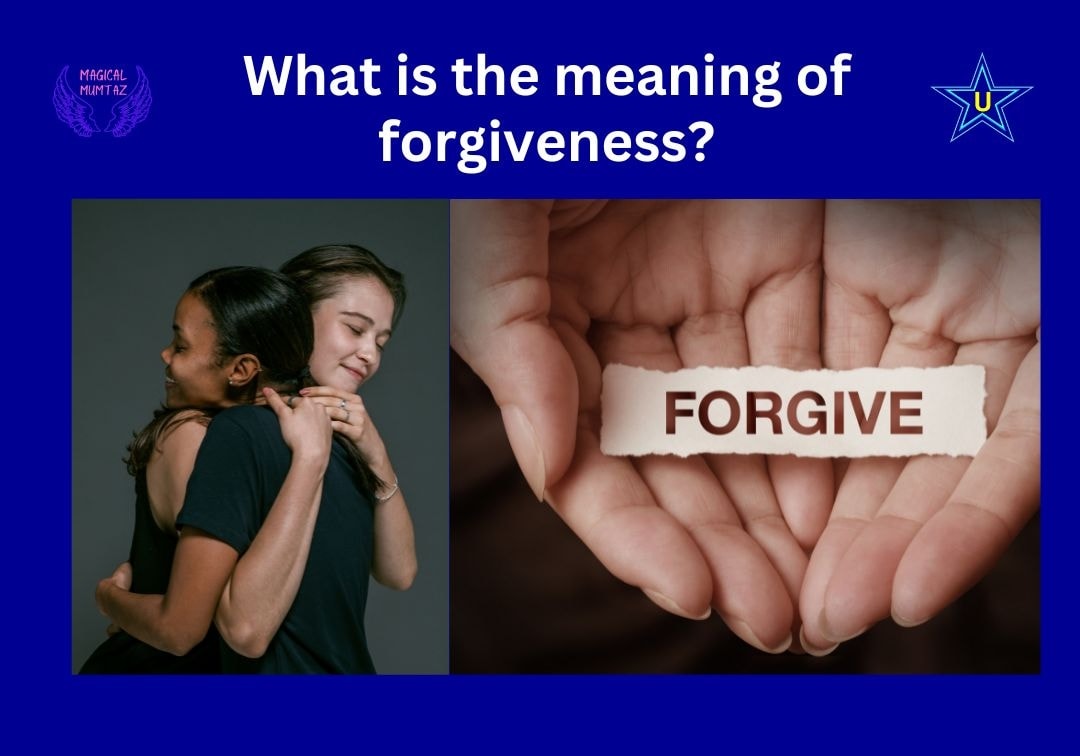
What is the Meaning of Forgiveness?
Introduction
We frequently run into circumstances in life where forgiving others becomes crucial to our progress and personal growth. Understanding the concept of forgiveness is essential for our mental health and interpersonal connections, whether it's asking for forgiveness from someone who has harmed us or forgiving ourselves for our faults. We will go further into the idea of forgiveness in this essay, discussing its importance, advantages, and methods for developing a forgiving mindset.
What Does Forgiveness Really Mean?
In its purest form, forgiveness is the action of letting go of resentment, anger, or the desire for vengeance toward someone who has wronged, disappointed, or wounded us. It entails letting go of bad feelings and forgiving the individual who has hurt us. It's not about accepting or forgetting the wrongdoing; forgiveness is a purposeful choice to let go of the weight of harboring resentments and unfavorable feelings.
Why Is It Important to Forgive?
Our mental, emotional, and even physical health benefit much from the transformational and healing process of forgiveness. Holding onto anger and resentment can have a negative influence on our mental health, interpersonal relationships, and even our physical health. By forgiving others, we free ourselves from the chains of unkindness and make room for peace, compassion, and personal development.
Additionally, forgiveness is essential for mending broken relationships. It enables us to improve communication, reestablish trust, and promote understanding. In addition, forgiveness fosters empathy and aids in the development of a more sympathetic outlook toward others, which can result in a more peaceful society.
The Influence of Pardon Healing and wellbeing of the emotions:
1. Elimination of Emotional Luggage
We carry emotional baggage that drags us down when we harbor resentments and refuse to provide forgiveness. We free ourselves from stress and feel emotionally liberated when we forgive. We can release damaging feelings like anger, bitterness, and resentment that can be detrimental to our emotional health through the act of forgiveness. It enables us to proceed with a happier heart and a more open mind.
2. Improvement of Mental Health
Our mental health benefits from the practice of forgiving. According to research, forgiving helps people feel less stressed, anxious, and depressed. By letting go of the hurtful ideas and feelings connected to the offense, we improve our sentiments of joy, serenity, and contentment. Furthermore, self-forgiveness encourages self-acceptance and self-compassion, which both contribute to enhanced general mental health.
3. Solidified Connections
Relationships can only be repaired through forgiveness. It encourages comprehension, empathy, and trust. By extending forgiveness, we open the door to direct dialogue that can aid mending strained relationships. By forgiving one another, we open the door to reconciliation and the prospect of a stronger, more satisfying relationship.
4. Personal Development and Change Building Resistance
Being able to forgive takes courage and resiliency. It requires us to face our suffering and select a route toward recovery and development. We gain resilience and the capacity to recover from challenging circumstances by practicing forgiveness. It enables us to overcome adversity and gives us the confidence to meet the challenges of life with courage and elegance.
5. A Greater Awareness of Oneself
We are encouraged to consider our own behaviors and feelings as part of the forgiveness process. Understanding our own contribution to the circumstance and accepting responsibility for our sentiments involves self-awareness and reflection. We learn a lot about our beliefs, boundaries, and potential for personal development via forgiveness.
Spiritual Development
Many spiritual and religious traditions place a high value on forgiveness. It is regarded as a route to enlightenment and spiritual development. By forgiving, we identify ourselves with the compassion, love, and forgiveness that many belief systems place as their central tenets. By letting go of ego-driven feelings, forgiveness helps us to reach out to our higher selves and find our truer calling in life.
Q&As Regarding Forgiveness
Is it possible to forgive without expressing regret?
A: Admitting wrongdoing does not always necessitate forgiveness; it is a personal journey. While receiving an apology can help, whether or not the other person asks for forgiveness, choosing to forgive them is ultimately a choice we make for our own happiness.
Is extending forgiveness a sign of frailty?
A: No, showing forgiveness is a sign of courage and strength. To forgive and let go of hurt feelings requires tremendous inner courage. It is a move toward liberation from the cycle of resentment and self-empowerment.
To forgive someone, how long does it take?
A: Depending on the severity of the offense, forgiving takes different amounts of time for different people. It takes time and patience to forgive, and it also requires self-compassion. While it could take us days, weeks, or even years to forgive completely, every step we take in that direction gets us one step closer to healing.
Even if the wrongdoer does not repent, may forgiveness still be advantageous?
A: Yes, forgiveness is primarily concerned with our own emotional development and wellbeing. Forgiving someone lets us let go of our bad emotions and go on with our life even if they don't change. It is a self-love and self-care gesture.
If the offense is committed again, may forgiveness be revoked?
A: Forgiveness is a powerful act, but it has limits that can be pushed by persistent transgressions. In such circumstances, it is essential to reevaluate the situation and put our personal wellbeing first. To keep our emotional and mental health in check, it may be necessary to set healthy boundaries and seek support.
Is forgetting and forgiving synonymous?
No, forgetting and forgiving are two separate processes. While forgetting refers to the act of deleting the memory of the offense, forgiving entails the release of negative feelings and issuing a pardon. While forgetting is not a requirement of forgiveness, it does enable us to remember the event without clinging to the hurt and hatred it caused.
Conclusion
In summary, the act of letting go of resentment, anger, and the desire for vengeance toward those who have harmed us is what is meant by forgiveness. It is a transformational process that fosters mental and emotional well-being as well as individual development. We can empower ourselves to let go of unfavorable feelings, mend broken relationships, and embark on a path of resilience and self-awareness by developing a forgiving mindset. Keep in mind that being able to forgive is a show of strength and compassion, not of weakness. Accept forgiveness to gain the ability to recover and prosper.
Thank you and be blessed always with lots of love and light from the higher dimensions🙏🏻😇🙏🏻
============================================
Author:
Mumtaz TheServingSoul
God-gifted Healer and Medium
Founder of Healing Heaven Global a Platform for Powerful Advanced Intensive Spiritual Soul & Karmic Healing for 20 years. Here is the *END* of Search for Spirituality.
💎No.1 Spiritual Soul & Karmic Healing Center in the World – Spirituality Simplified💎
Relationship Karmic Mukti Healing: https://rb.gy/8kn23

SHARE


Subscribe now.
Sign up for our newsletter to get the most interesting stories of the day straight to your inbox before everyone else
systeme.io
ABOUT
Mumtaz TheServingSoul
God-gifted Healer and Medium
Founder of Healing Heaven Global a Platform for Powerful Advanced Intensive Spiritual Soul & Karmic Healing for 20 years. Here is the *END* of Search for Spirituality.
💎No.1 Spiritual Soul & Karmic Healing Center in the World – Spirituality Simplified💎
systeme.io
Created with © systeme.io • Privacy policy • Terms of service